Chaga doesn't look like a mushroom. It grows as a dark, charcoal-black mass on living birch trees — slowly, over 10 to 20 years — absorbing compounds from its host. Break one open and you'll find a golden-orange interior packed with some of the most concentrated bioactive compounds found in nature.
Its three key compound families work as a system: beta-glucans for immune modulation, melanin for antioxidant defense, and betulinic acid (absorbed from birch bark) studied for anti-inflammatory properties. Together, they represent a natural defense complex that has been valued in folk medicine for centuries.
Antioxidant Power, Measured
ORAC scores measure a substance's ability to neutralize free radicals. Chaga's score dwarfs well-known antioxidant foods.
ORAC Score Comparison
Journal of Ethnopharmacology, 2011 — Oxygen Radical Absorbance Capacity per 100g
ORAC values per 100g of dried material. Scores vary by source, preparation, and extraction method. Chaga values represent dual-extracted preparations.
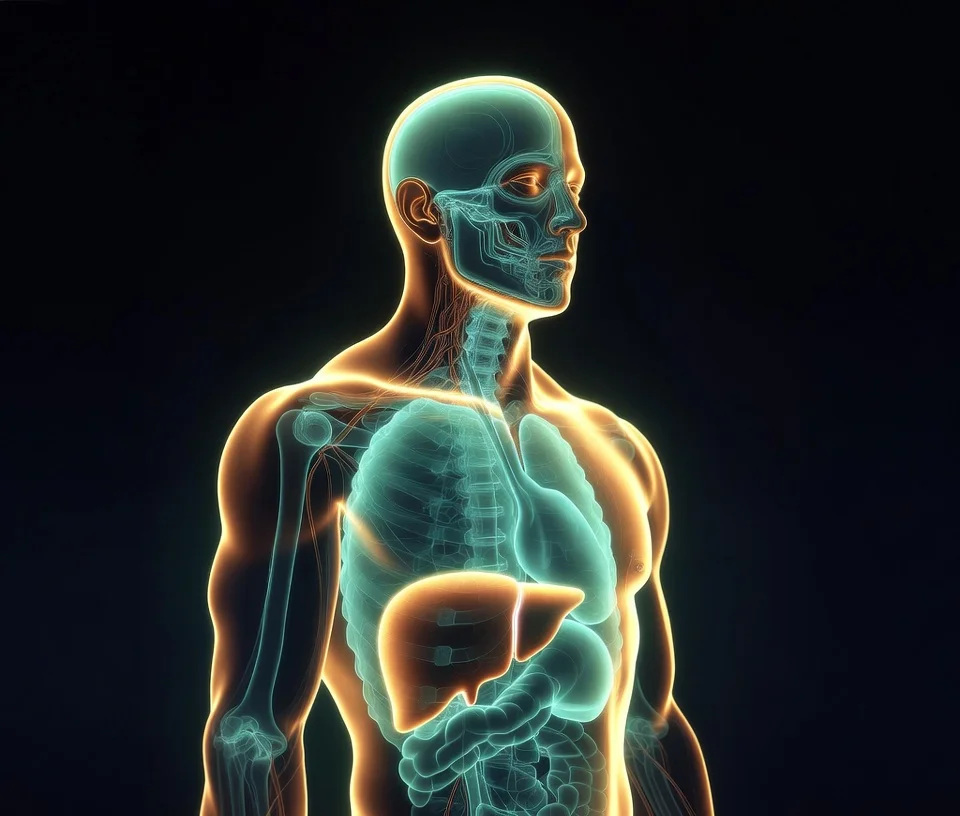
Where Chaga Works in Your Body
Tap or hover to explore each system
Immune Modulation, Not Stimulation
Chaga's beta-glucans are studied for their potential to regulate — not just "boost" — immune response
Underactive Immunity
Beta-glucans may help upregulate immune cell activity when defenses are low
Balanced Response
The goal: immune equilibrium — responsive but not overreactive
Overactive Immunity
Beta-glucans may help calm overactive responses linked to chronic inflammation
Conceptual illustration. Immune modulation research is based on in vitro and preclinical studies. Individual immune responses may vary.
Not a Mushroom — Something Rarer
Chaga's unique biology makes it unlike any other functional fungi
Centuries of Black Gold
~1400s
Siberian Folk Medicine
Indigenous peoples of Siberia begin brewing Chaga as a medicinal tea, calling it "a gift from God." Used for general vitality, digestive health, and resistance to harsh winter conditions.
~1700s
Russian Pharmacopoeia
Chaga enters formal Russian medical tradition. Known as "pakurikääpä" in Finland and used widely across Northern Europe as a folk remedy and coffee substitute during wartime.
1968
Solzhenitsyn's "Cancer Ward"
Alexandr Solzhenitsyn references Chaga tea in his novel "Cancer Ward," bringing global attention to the traditional Russian practice of Chaga consumption and sparking broader scientific curiosity.
2005
Beta-Glucan Research
International Journal of Medicinal Mushrooms publishes research on Chaga's beta-glucans demonstrating significant immunomodulatory activity through interaction with macrophages and natural killer cells. View study
2011
Antioxidant Capacity Studies
Journal of Ethnopharmacology publishes research confirming Chaga's exceptional antioxidant capacity, attributed to its concentrated melanin, SOD, and polyphenol content. View study
2020s
Modern Extraction Research
Contemporary research focuses on dual-extraction methods (hot water + alcohol) to maximize bioavailability of both water-soluble beta-glucans and alcohol-soluble triterpenes and betulinic acid.
Chaga vs Common Antioxidant Sources
How it compares to other antioxidant compounds and foods
| Source | ORAC | Bioavailability | Additional Benefits | Type |
|---|---|---|---|---|
| Chaga | 146,700 | High (dual-extracted) | Immune modulation, melanin, SOD | Whole-food complex |
| Vitamin C | N/A (different assay) | Moderate (water-soluble) | Collagen synthesis, immune cell function | Isolated compound |
| Vitamin E | N/A (different assay) | Moderate (fat-soluble) | Cell membrane protection | Isolated compound |
| Green Tea | 1,253 | Moderate | EGCG, L-theanine, mild caffeine | Whole-food extract |
| Acai | 18,500 | Moderate | Anthocyanins, fiber, healthy fats | Whole-food |
| CoQ10 | N/A (different assay) | Low (lipophilic) | Mitochondrial support, heart health | Isolated compound |
The Shield in the Stack
In Todd's Mushroom Brew, Chaga provides the antioxidant and immune foundation for the four-mushroom system
Lion's Mane
Focus & Memory
Reishi
Calm & Stress Resilience
Cordyceps
Energy & Endurance
Chaga
Antioxidant & Immune
Chaga is included for its studied antioxidant capacity and immune-modulating properties. Lion's Mane is studied for NGF and cognitive support. Reishi is valued for its traditionally used calming and adaptogenic properties. Cordyceps is researched for cellular energy production. Together, these mushrooms are included to complement each other as part of a daily ritual.
Frequently Asked Questions
Defend Your Day with Chaga
Todd's Mushroom Brew includes Chaga alongside Lion's Mane, Reishi, and Cordyceps in a 18-ingredient daily ritual.
TRY TODD'S BREW — $40/MO30 servings · Free shipping · Cancel anytime
*These statements have not been evaluated by the Food and Drug Administration. This product is not intended to diagnose, treat, cure, or prevent any disease. The information on this page is for educational purposes only and is not intended as medical advice. Consult your healthcare provider before starting any supplement regimen.
Explore more ingredients